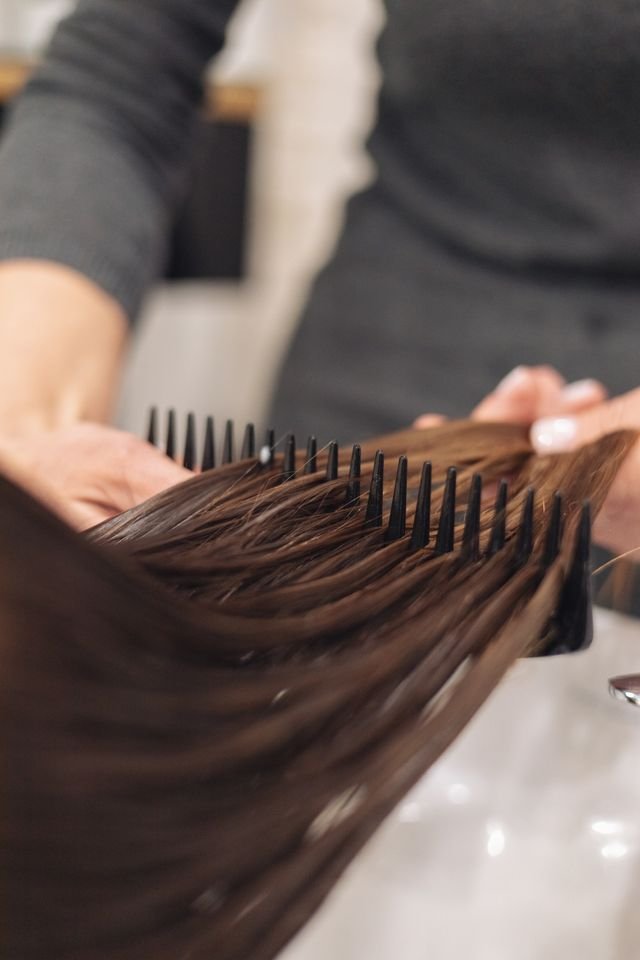
Hair & Beauty – 3-Year Programme

Build confidence, independence, and work-ready skills in a real salon environment tailored

for young adults with learning disabilities. Learners practise professional routines and

customer care while developing safe, repeatable techniques for employment in hair, beauty,

and front-of-house roles.

Hair & Beauty – 3‑Year Programme
Who this programme is for

Young adults who thrive with hands-on, step-by-step learning.

What learners develop (core skills)
Aligned to Preparing for Adulthood outcomes, learners gain:

01

Safety and hygiene (infection control, PPE, clean-down routines)

02

Hair care basics (shampooing, conditioning, blow-drying)

03

Styling foundations (sectioning, basic finishes, heat tools with supervision)

04

Beauty and grooming (hand and nail care, basic skin care, natural makeup)

05

Reception and client care (greeting, appointment flow, product handover)

06

Communication and teamwork

07

Task completion, routine, and quality standards

08

Independence and responsibility on shift

09

Time management to appointment schedules

10

Problem solving in a real work environment

Three years of progressive responsibility

Year 1 Foundations
  • Equipment & Salon Hygiene Training
  • Hair Care Basics: shampoo, condition, scalp health
  • Blow-Dry Fundamentals and Finishing
  • Hand & Nail Care: cleanse, file, polish (natural looks)
  • Communication and Teamwork in the Salon
  • Front of House: greetings, coat care, refreshment service
Year 2 Skills in Action
  • Intermediate Styling: sectioning, straightening, curls (with safeguards)
  • Natural Makeup and Skincare Routines
  • Brow Tidy and Simple Grooming Protocols
  • Reception Skills: appointment steps, phone etiquette, POS basics
  • Stock, Towel, and Laundry Systems
  • Supported Work Placement (local salons, spas, retail)
Year 3 Employment Readiness
  • Salon Floor Operations: timekeeping, client flow, quality checks
  • Service Menus for Juniors: wash & blow-dry, treatment application, polish
  • Retail Support: product advice using scripts and visuals
  • Mentoring New Starters and Team Leadership
  • Extended Work Placement and Employer Engagement
  • Transition Planning towards Supported Internships or Paid Roles

Practical by design, purposeful by structure

70%
Practical, 30% Structured Teaching

Each week balances hands-on salon time with focused taught sessions to build knowledge alongside skill.

34W
34-Week Teaching Plan Per Year

Focusing on 2–3 key activities per module each week, delivering real salon environments — not simulated learning.

Differentiated Teaching

Visual steps, task breakdowns, and scaffolded assessments matched to each learner's needs and strengths throughout the programme.

Environments built for real work

Training Salon

Wash stations, styling chairs, mirrors, dryers, and sanitisation stations — mirroring professional salon standards and rhythms.

Beauty Studio

Nail bar, skincare stations, and lighting suitable for makeup application — a dedicated space for beauty service skills.

Reception Hub

Appointment desk, phone scripts, booking flow, and product display — building confidence in client-facing front-of-house roles.

Employer Work Placements

Partner salons, spas, and retail settings with structured coaching — connecting learners to real employment pathways.

Progression and outcomes
Learners typically complete the programme with:

Safe, hygienic practice and consistent clean-down habits

Confident wash & blow-dry technique and basic finishing skills

Competence in natural makeup, skincare, and hand/nail care

Friendly, clear client communication and reception etiquette

Experience working to appointment times and service checklists

A practical portfolio (photos, service logs, employer feedback)

Pathways into supported internships, voluntary roles with progression, or paid junior/assistant positio

Support and inclusion

Small-group teaching from specialist tutors and job coaches

Visual schedules, checklists, and colour-coded tools

Quiet spaces and predictable routines to reduce anxiety

Positive behaviour support embedded in daily practice

Regular contact with families and professionals

Assessment and reporting

Ongoing tracking against Preparing for Adulthood outcomes

Photo/video evidence of practical competencies

Half-termly reviews with measurable goals

End-of-year reports capturing progress, strengths, and next steps

Employer feedback integrated into targets and transition planning

Partnership with local authorities

Clear mapping to EHCP outcomes and annual reviews

Transparent progress data and attendance/readiness indicators

Risk assessments, safeguarding, and health & safety embedded

Stepwise transition planning from Year 2 onwards

Facilities and safety

Industry-standard hygiene protocols and PPE from day one

Risk-assessed use of heat tools and chemicals; gradual independence as skills develop

Product labelling with visual aids and allergy awareness procedures

Accessible salon layout, adjustable chairs, and sensory-aware lighting

Support and inclusion

Real-world practice that builds employability and confidence

Structured environments with the right scaffolding and high expectations

Proven routes into internships, volunteering, and paid assistant roles

A ambitious pathway designed for young adults with learning disabilities

Let’s Talk About Your Young Person’s Future

If you are exploring specialist further education options for a young adult with learning disabilities, we would love to welcome you to Brighter Futures Specialist College.