Grow confidence, independence, and employability through purposeful outdoor work and
creative floristry. This hands-on pathway supports young adults with learning disabilities to
develop real, marketable skills in grounds care, plant production, and floral design—within
safe, structured, and calm environments.
Safety, hygiene, and tool care (PPE, manual handling, cleaning routines)
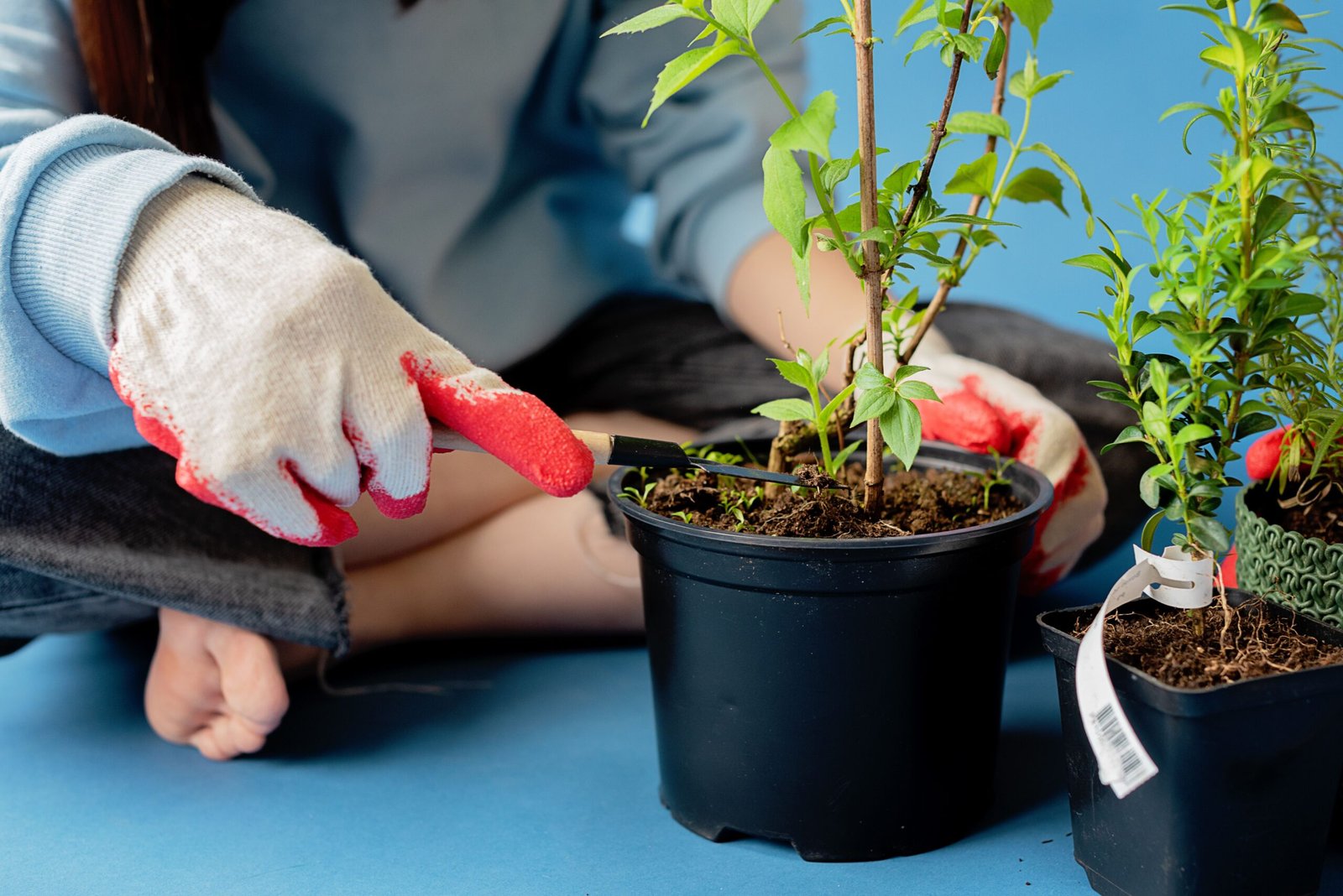
Plant care fundamentals (watering, feeding, pruning, repotting)
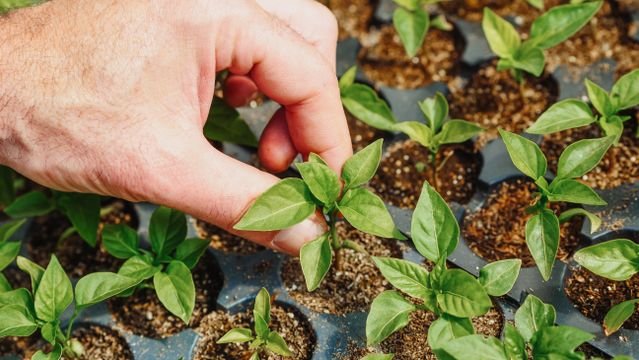
Propagation (seed sowing, cuttings, dividing plants)
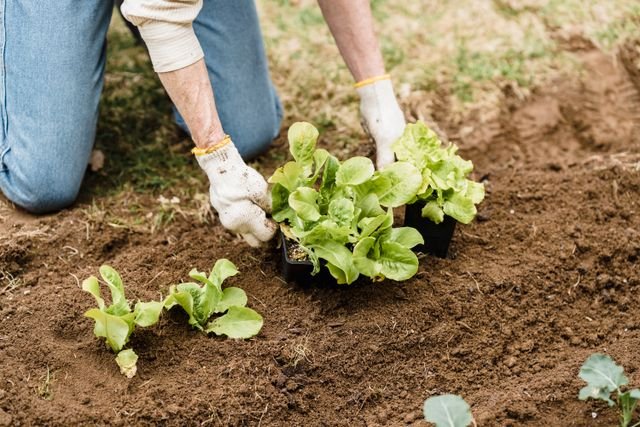
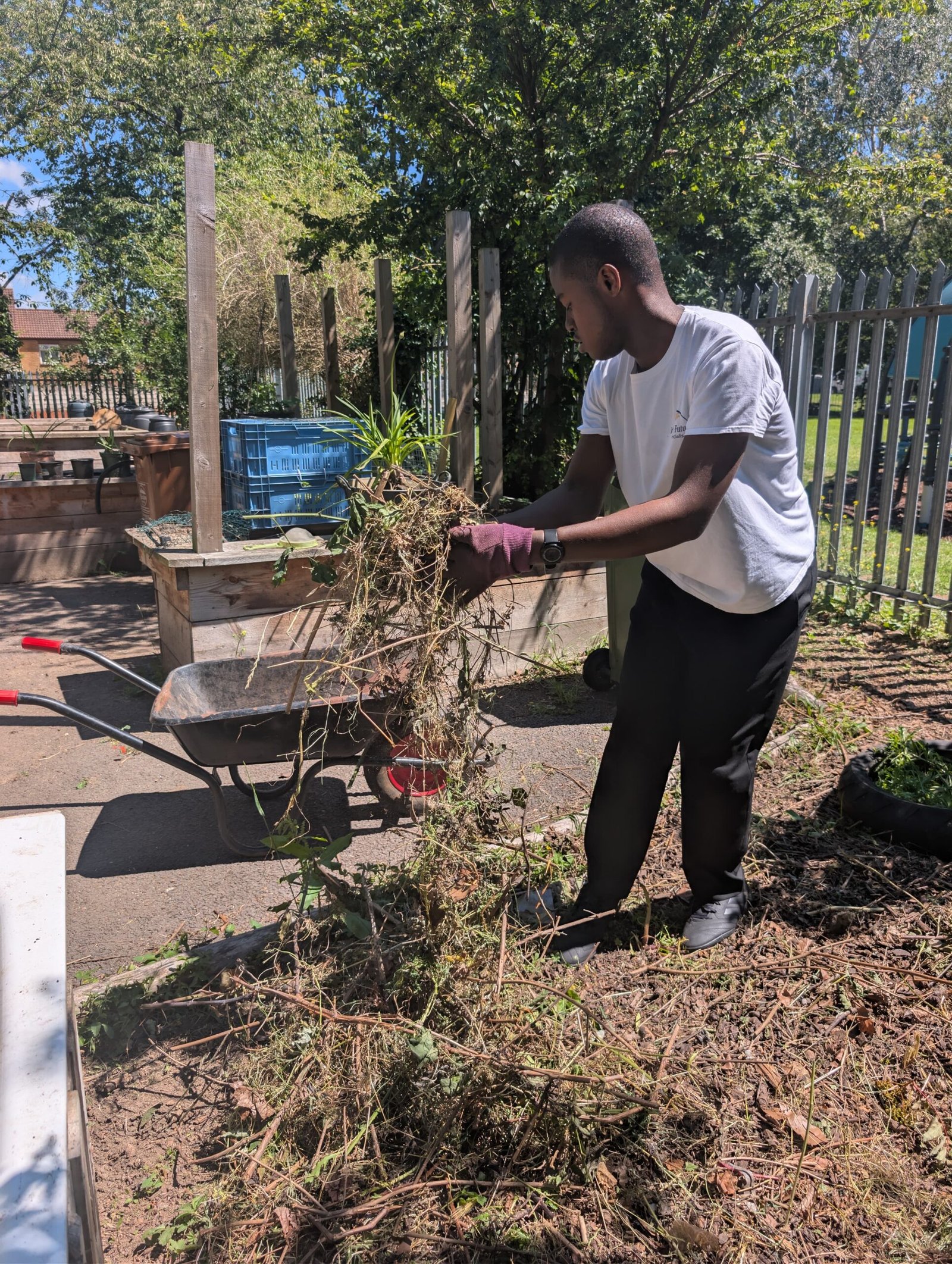
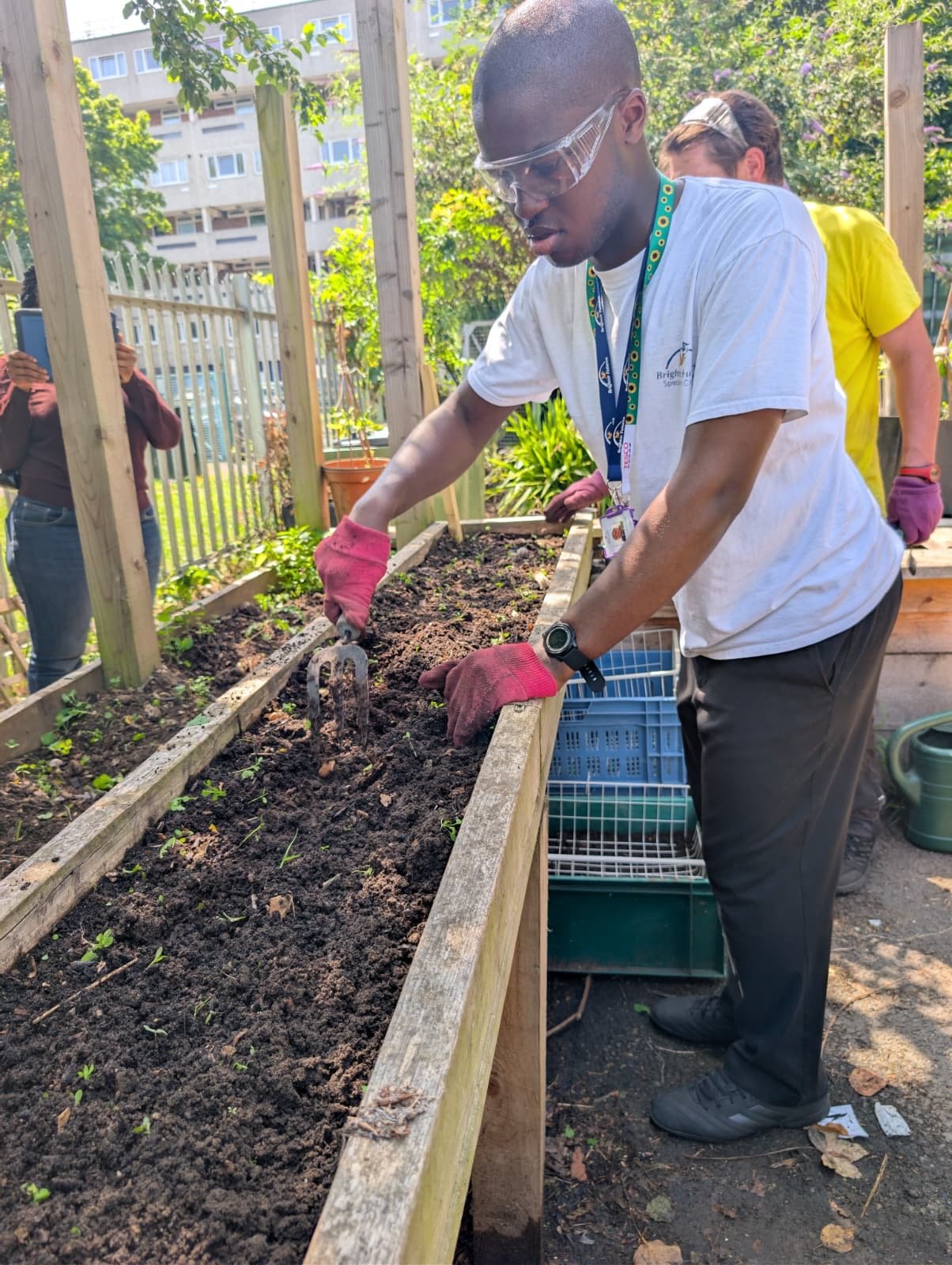
Grounds and garden maintenance (weeding, edging, mulching, seasonal tasks)
Basic landscaping skills (bed preparation, planting plans, path tidy)
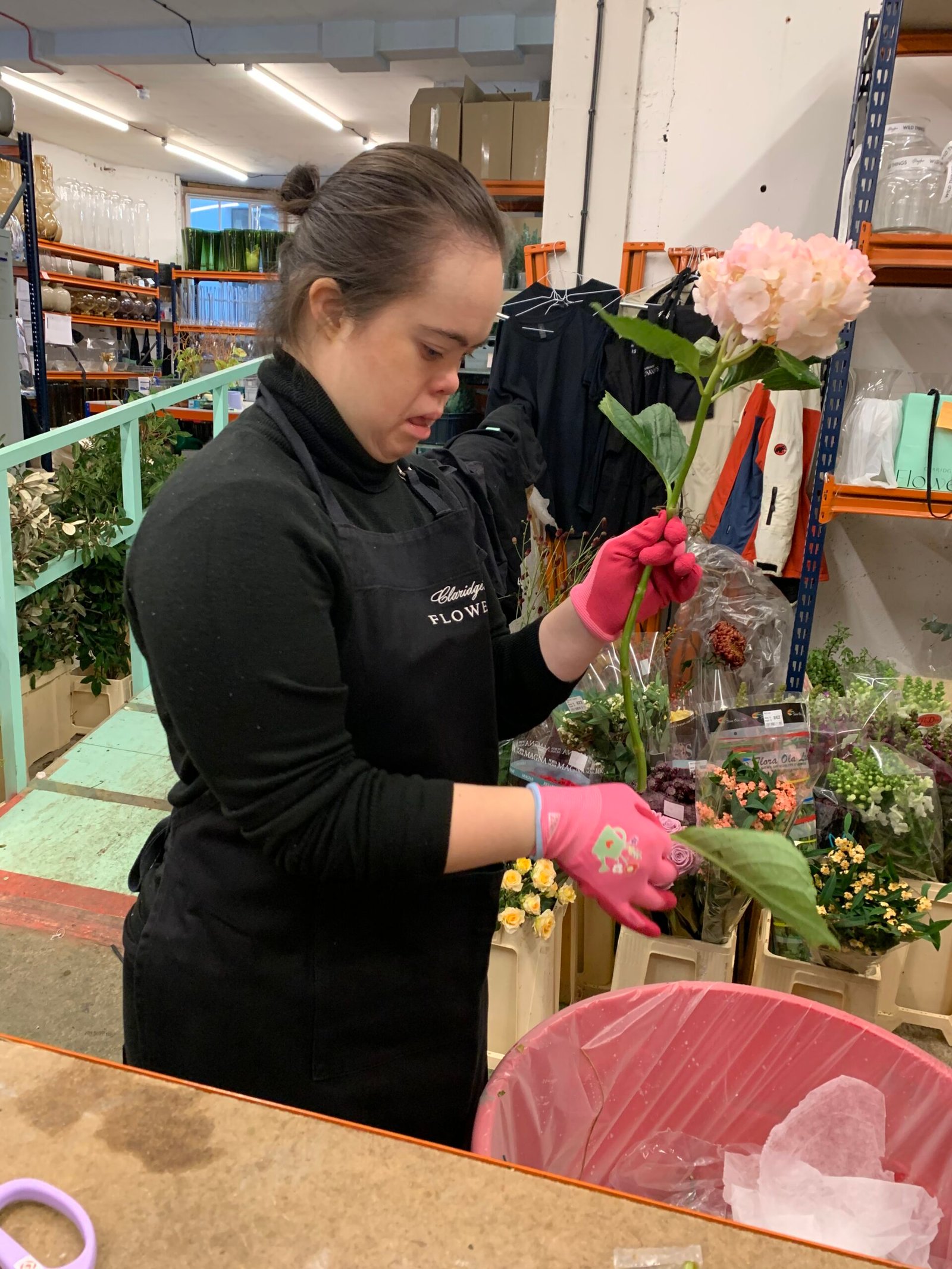
Floristry basics (conditioning stems, hand-tied bouquets, simple arrangements)
Retail and customer care (greeting, order prep, presentation)
Task completion, routine, and quality control
Time management to live briefs and deadlines
Independence and responsibility on shift
Time management to seasonal schedules and job sheets
Problem solving in real work environments
How learning is structured
How learning is delivered
Each week balances hands-on studio time with focused taught sessions to build knowledge alongside skill.
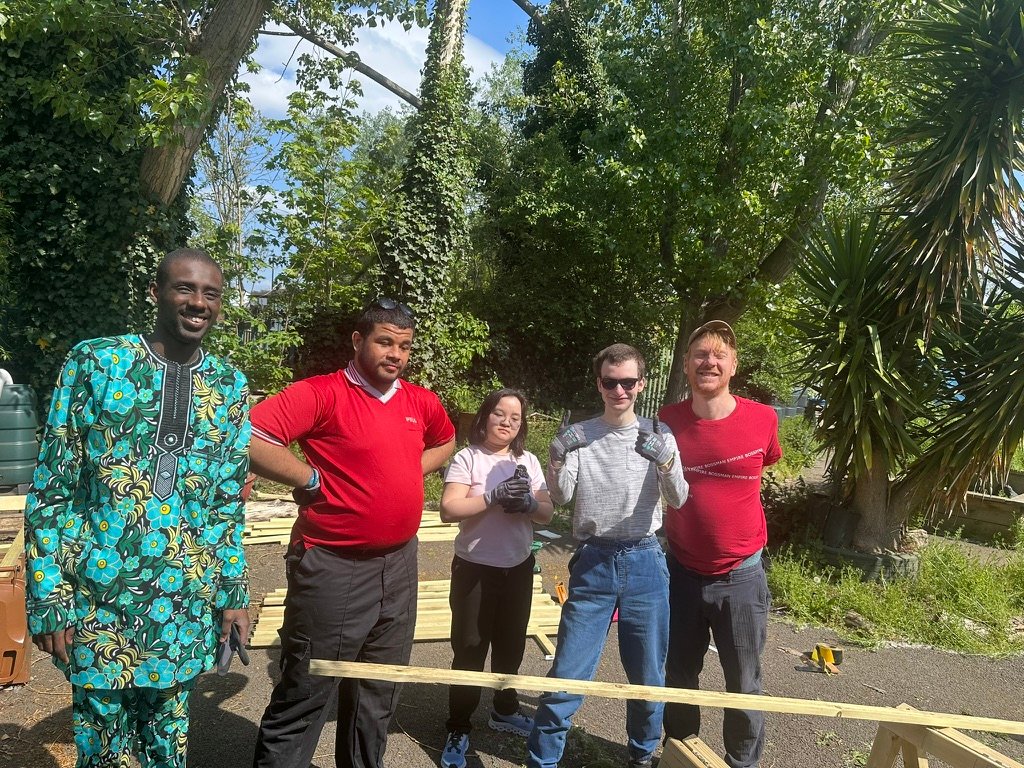
Real working environments — college grounds, glasshouse, and partner placements — replace simulated learning, focusing on 2–3 key activities per module each week.
Step-by-step visuals, colour coding, and scaffolded assessments adapted to each learner's needs and strengths throughout the programme.
Where learning happens
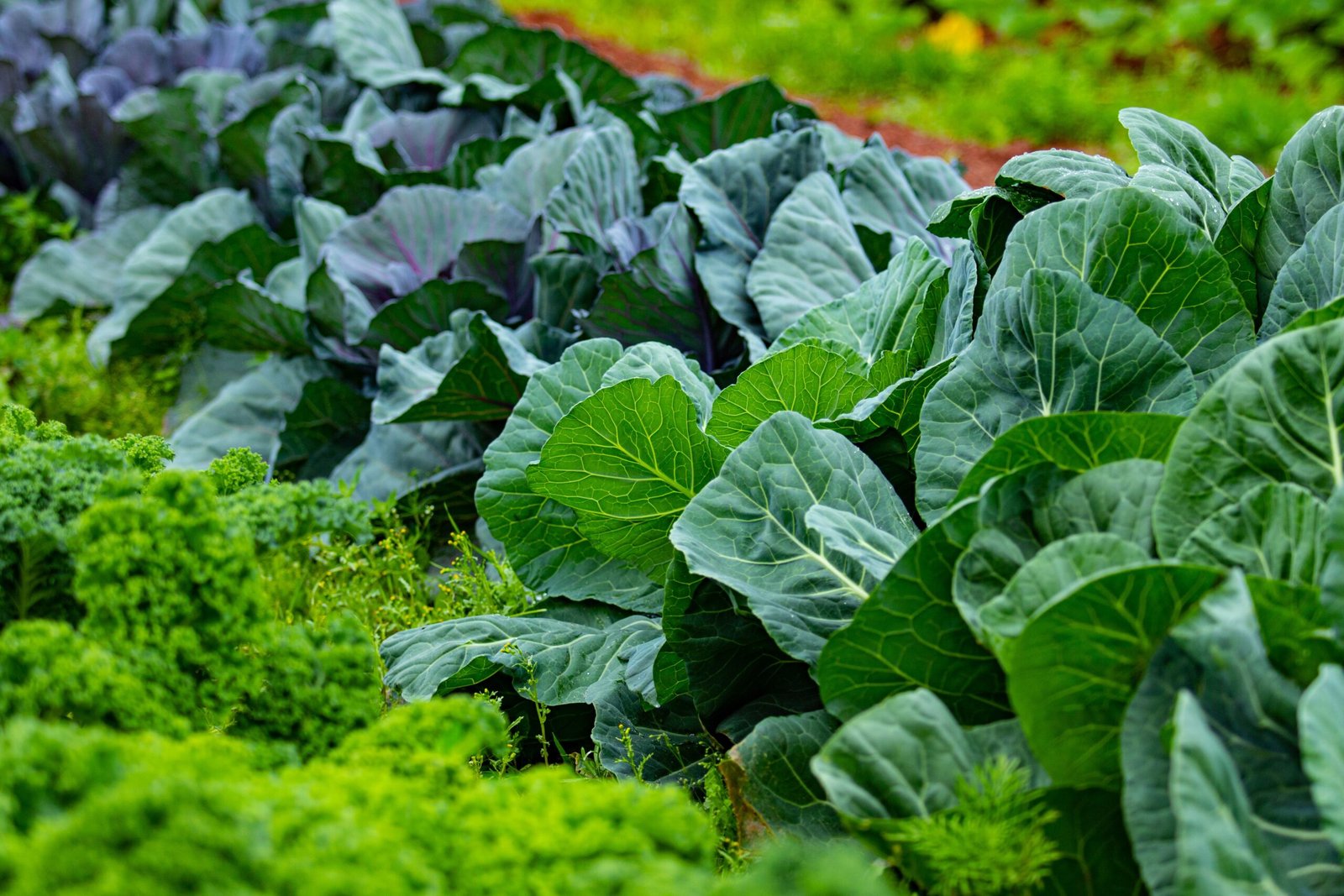
Beds, borders, lawns, shrub areas, and composting — the primary outdoor learning environment.
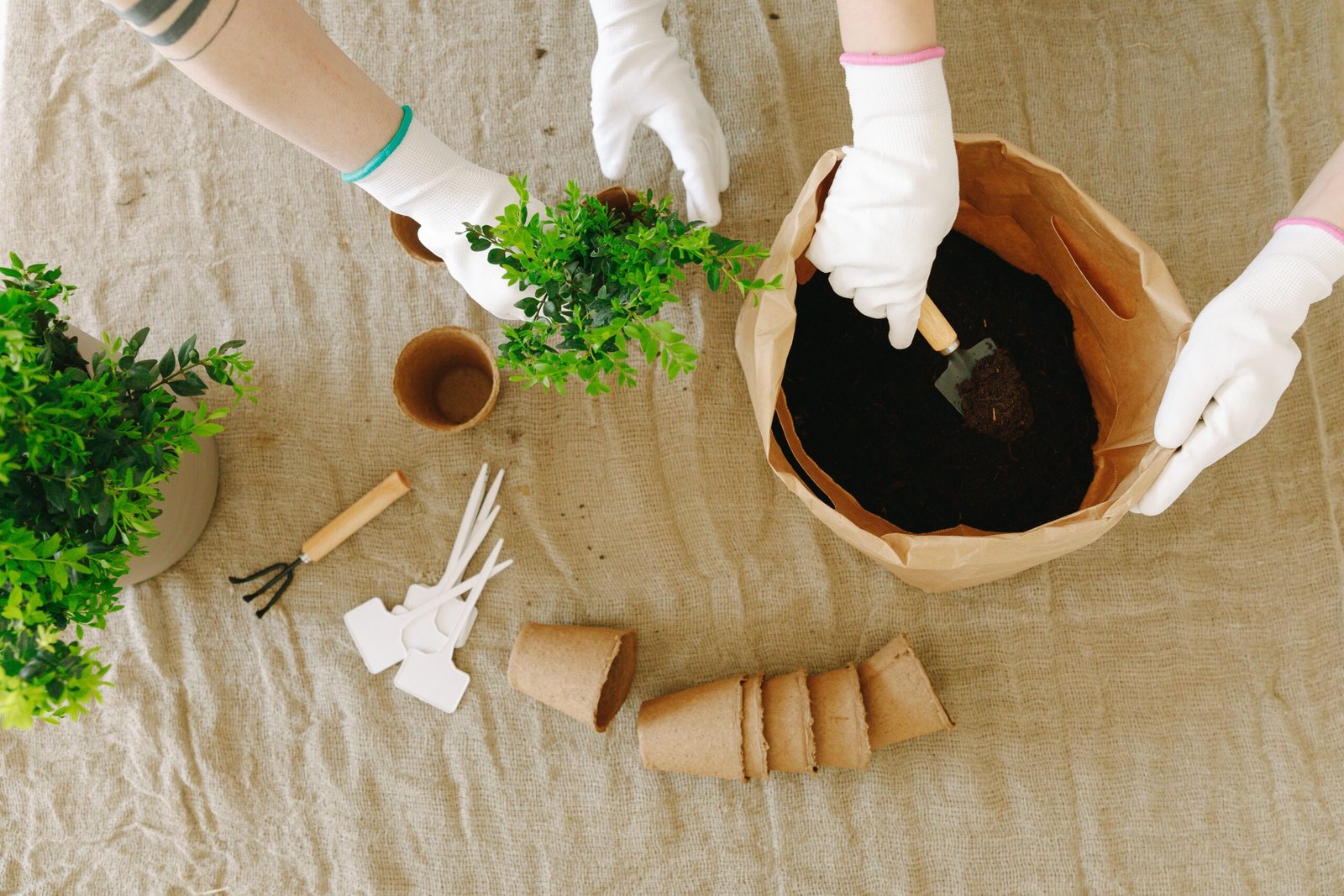
Benches, seed trays, soil, and labelling systems for growing-on skills at every stage.
Seasonal production with integrated pest checks and climate management routines.
Conditioning sinks, benches, vases, wrapping and ribbons for all floristry modules.
Small on-site stall or pop-up for seasonal sales and order collection — live retail experience.
Parks teams, garden centres, estates, floristry studios, and community gardens.
Safe, consistent tool use and site hygiene
Confident plant care routines and seasonal task awareness
Practical grounds skills suitable for supported roles
Foundation floristry skills with sale-ready presentation
Clear, friendly communication with colleagues and customers
Experience working to job sheets, briefs, and deadlines
A portfolio of planted areas, propagation logs, and floral pieces
Pathways into supported internships, volunteering with progression, or paid assistant roles in grounds, garden retail, or floristry
Small-group teaching with specialist tutors and job coaches
Visual schedules, task cards, and repeatable checklists
Quiet zones and predictable routines to reduce anxiety
Positive behaviour support and pastoral care
Regular communication with families and professionals
Ongoing skills tracking aligned to Preparing for Adulthood outcomes
Photo/video evidence of practical competencies and seasonal projects
Half-termly reviews with measurable goals
End-of-year reports on progress, strengths, and next steps
Employer and placement feedback embedded into targets
Clear mapping to EHCP outcomes and review cycles
Transparent progress and attendance/readiness data
Risk assessments, safeguarding, and health & safety integrated daily
Stepwise transition planning from Year 2 onward
Industry-standard safety briefings and PPE from day one
Risk-assessed use of cutting tools, power tools (where appropriate), ladders, and water
Manual handling training for soil, compost, and deliveries
Accessible pathways, adjustable benches, sensory-aware spaces
Allergy awareness and plant toxicity guidance
Grounds sessions: weeding, edging, pruning basics, mulching
Propagation and plant care: sowing, potting on, feeding schedules
Floristry practice: conditioning, hand-tied bouquets, simple arrangements
Retail and presentation: pricing, wrapping, display, customer handover
Work skills: timekeeping, teamwork, problem solving, quality checks
Supported placement (from Year 2): real tasks with coaching
Real-world practice that builds employability and pride in visible results
Structured, calm environments with the right scaffolding and high expectations
Proven routes into internships, volunteering, and paid assistant roles
A ambitious pathway designed for young adults with learning disabilities
If you are exploring specialist further education options for a young adult with learning disabilities, we would love to welcome you to Brighter Futures Specialist College.
Specialist further education for young people with learning disabilities aged 16–25. Building independence, skills and confidence for life.
Monday – Friday – 10.00 – 16.00
Saturday – Closed (weekend programs coming soon)
Sunday: Closed
© 2026 Brighter Futures Specialist College. All rights reserved.