Give your young person the everyday maths and English they need for life, work, and
community participation—taught in calm, structured settings with high expectations and the
right support. Learning is practical, meaningful, and closely aligned to EHCP outcomes and
Preparing for Adulthood.
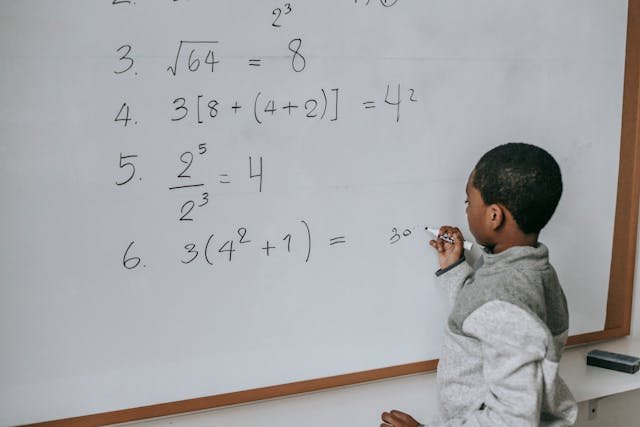
Functional Maths: money, time, number, measure, data, problem solving
Functional English: speaking & listening, reading for purpose, clear writing
Everyday independence: travel timings, budgeting, timetables, forms
Workplace basics: following instructions, emails, shift logs, stock counts
Communication: turn-taking, requesting help, giving updates to supervisors
Study skills: focus, task completion, checking work, working to deadlines
Confidence and self-advocacy: asking questions, explaining choices
How learning is structured
How learning is delivered
Each week balances hands-on activity with focused taught sessions to build knowledge alongside skill.
Real environments replace purely simulated learning — skills are practised in our on-site enterprises and partner placements, with 2–3 focused activities per module each week.
Visual supports, scaffolded tasks, and accessible technology — read-aloud, word prediction, and symbol-supported materials — tailored to every learner.
First–then boards, checklists, and predictable classroom layouts reduce anxiety and build the independence learners need for work and daily life.
Skills Hub: calm classrooms with visual timetables, manipulatives, and technology.
On-site enterprises: café, print studio, reception—live contexts for maths and English.
Community learning: shops, library, transport, and local services.
Employer placements: supervised practice applying literacy and numeracy on real tasks
Initial assessment and baseline linked to EHCP targets.
Ongoing, bite-sized assessments with photo/video evidence.
Half-termly reviews with measurable, functional goals.
Opportunities to work towards Functional Skills (Entry 1–Level 1/2) or stepwise unit accreditation, based on readiness.
Exam access arrangements where appropriate; alternative evidence routes for those not yet exam-ready.
Small classes with specialist teachers and job coaches.
Visual supports, chunks of instruction, and repetition for mastery.
Communication-friendly practice, including symbols and social stories.
Positive behaviour support embedded in daily routines.
Close collaboration with therapists and external professionals where named in the EHCP.
Regular, clear communication with families and local authorities.
Greater independence with money, time, and travel planning
Confident participation in workplace communication
Accurate completion of everyday forms and records
Recognised literacy/numeracy accreditation where appropriate
Reliable problem solving in real-life scenarios
A personal portfolio evidencing progress against EHCP outcomes
Next steps into supported internships, vocational pathways, or part-time employment
Community maths: shopping lists, price comparison, cash handling
Workplace English: emails, logs, customer messages, phone scripts
Project session: planning and budgeting for an event or product
Confidence building: presentations, team tasks, reflective check-ins
Transparent tracking mapped to EHCP outcomes and annual reviews
Regular progress reports with attendance, readiness, and functional evidence
Robust safeguarding, risk assessment, and exam access procedures
Stepwise transition planning from Year 2, with employer engagement
Quiet breakout spaces and sensory-aware classrooms
Adapted resources: large print, coloured overlays, symbol-supported texts
Assistive technology: read-aloud tools, speech-to-text, calculators with visuals
Safe community access for real-life practice
Practical, meaningful learning that transfers to life and work
High expectations with the right scaffolding—ambitious and achievable
Evidence-led progress aligned to EHCPs and Preparing for Adulthood
Proven progression to internships, vocational study, and employment
If you are exploring specialist further education options for a young adult with learning disabilities, we would love to welcome you to Brighter Futures Specialist College.
Specialist further education for young people with learning disabilities aged 16–25. Building independence, skills and confidence for life.
Monday – Friday – 10.00 – 16.00
Saturday – Closed (weekend programs coming soon)
Sunday: Closed
© 2026 Brighter Futures Specialist College. All rights reserved.