Communication & Social Developmen

Build confident communication and positive social skills in calm, structured environments

tailored for young adults with learning disabilities. Our Communication & Social Development

pathway strengthens speech, language and interaction while supporting independence,

wellbeing, and readiness for community and work.

Who this page is for
  • Parents and carers seeking a supportive, practical approach to developing communication.
  • Local authorities looking for clear, measurable outcomes aligned to EHCPs and Preparing for Adulthood.
What learners develop

01

Functional communication: making choices, requesting help, sharing information.

02

Social interaction: turn-taking, conversation starters, listening, and responding.

03

Emotional literacy: recognising feelings, self-regulation, and coping strategies.

04

Community confidence: navigating public spaces, asking for assistance, using services.

05

Workplace communication: greetings, instructions, updates to supervisors, customer interaction.

06

Self-advocacy: expressing preferences, understanding rights, and contributing to reviews.

Structured modules across three years

Year 1 Foundations
  • Communication routines: greetings, requesting, choices
  • Social basics: sharing space, turn-taking, waiting
  • Understanding and being understood: clarifying, checking back
  • Emotional awareness: naming feelings and safe regulation strategies
Year 2 Skills in Action
  • Conversation skills: starting, maintaining, and closing interactions
  • Problem solving: asking for help, handling mistakes, simple conflict resolution
  • Community confidence: enquiries at tills, libraries, and service desks
  • Workplace talk: following multi-step instructions, updating progress
Year 3 Independence & Employment Readiness
  • Professional communication: phone scripts, customer updates, service recovery
  • Team skills: shift handovers, briefings, feedback with peers
  • Self-advocacy: contributing to targets, preparing for reviews, understanding rights at work
  • Transition planning: personal communication passport, employer-ready profiles

Measuring progress that matters

01

Baseline assessment linked to EHCP communication and social outcomes

02

Ongoing observation, checklists, and photo/video evidence of real interactions

03

Half-termly reviews with measurable targets

04

End-of-year reports capturing progress, strengths, and next steps

05

Where appropriate, accreditation through communication and personal development units

An environment built around each learner

Specialist tutors, job coaches, and communication-friendly classrooms throughout the programme.
Co-production with families and professionals; strategies shared for home and community use.
Sensory-aware environments with access to quiet spaces and regulation tools.
Consistent language across all staff to reinforce understanding and reduce anxiety.
Where learning happens

Skills Hub: calm classrooms with visual timetables, manipulatives, and technology.

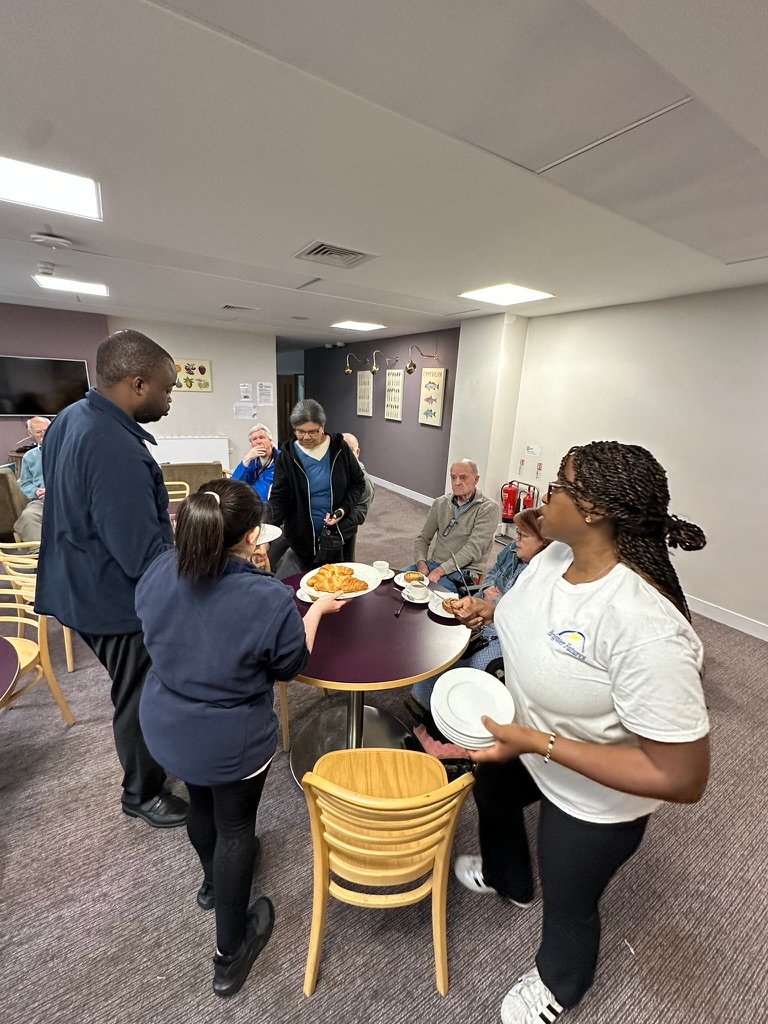
On-site enterprises: café, print studio, reception—live contexts for maths and English.

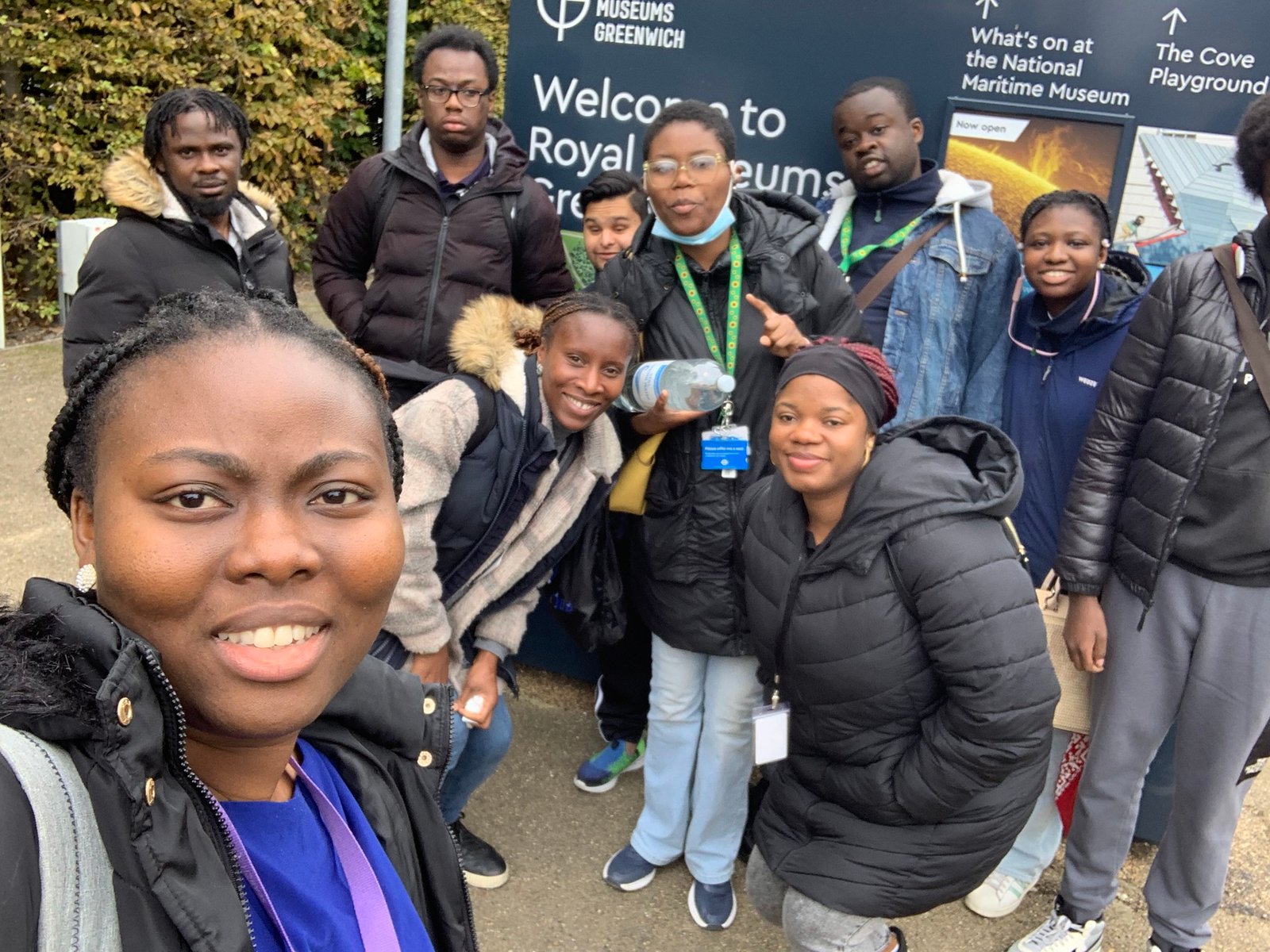
Community learning: shops, library, transport, and local services.

Employer placements: supervised practice applying literacy and numeracy on real tasks

Outcomes you can expect

Clear, purposeful communication using the young person’s preferred methods.

Ongoing, bite-sized assessments with photo/video evidence.

Half-termly reviews with measurable, functional goals.

Opportunities to work towards Functional Skills (Entry 1–Level 1/2) or stepwise unit accreditation, based on readiness.

Exam access arrangements where appropriate; alternative evidence routes for those not yet exam-ready.

Support and inclusion

Small classes with specialist teachers and job coaches.

Improved confidence in social situations and public settings.

Reliable participation in workplace-style routines and customer interaction.

Stronger self-advocacy during reviews and transition planning.

Evidence of progress mapped to EHCP targets and Preparing for Adulthood.

Why Brighter Futures

Practical, meaningful communication in everyday contexts.

High expectations with the right scaffolding—ambitious and achievable.

Consistent, evidence-led practice that transfers to life, community, and work.

Proven progression into supported internships, vocational training, and employment.

Let’s Talk About Your Young Person’s Future

If you are exploring specialist further education options for a young adult with learning disabilities, we would love to welcome you to Brighter Futures Specialist College.