We use accessible technology to remove barriers, personalise learning, and prepare students for a digital-first workplace. Our approach blends assistive tools with industry-relevant tech so young adults with learning disabilities can communicate clearly, work safely, and build independence.
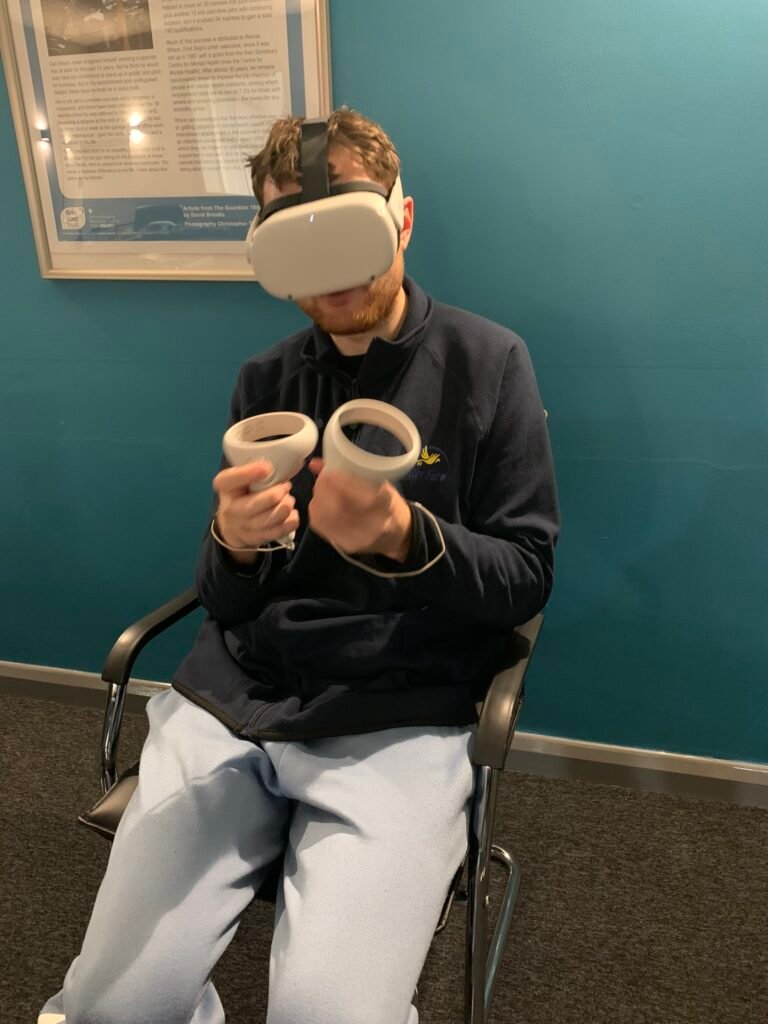
technology adapts to the learner, not the other way around.
tools are embedded in real tasks across the day.
data, photos, and work samples show impact over time.
robust safeguarding, privacy, and digital wellbeing practices.
Total communication: speech, signs, symbols, and objects of reference paired with apps, talk buttons, and voice output devices.
Visual structure: digital schedules, timers, and checklists that reduce anxiety and support independence.
Language growth: read‑aloud and symbol‑supported materials, text-to-speech, and speech-to-text for clearer understanding and expression.
Step-by-step task apps with photos and short videos for repeatable routines.
Digital timers and reminders to build time awareness and pace.
Note-taking with images and voice clips to capture learning quickly.
Switch, eye-gaze, and alternative keyboards where needed.
Adjustable workstations, glare control, and sensory-aware lighting.
Colour overlays, large-print resources, and dyslexia-friendly fonts.
Professional communication: email etiquette, short reports, and phone scripts.
Data in context: stock tallies, simple spreadsheets, and order tracking.
Safety online: privacy basics, consent for photos, respectful messaging, and scam awareness.
Photo/video portfolios captured on secure devices show competence in real settings.
Simple dashboards track attendance, punctuality, task completion, and independence.
Termly summaries map tech-enabled progress to EHCP targets and Preparing for Adulthood outcomes.
Quiet breakout spaces and sensory-aware classrooms
Adapted resources: large print, coloured overlays, symbol-supported texts
Assistive technology: read-aloud tools, speech-to-text, calculators with visuals
Safe community access for real-life practice
Managed devices with content filters and controlled app access.
Clear consent processes for media, placements, and online publishing.
Staff training on data protection and safe digital practice.
If you are exploring specialist further education options for a young adult with learning disabilities, we would love to welcome you to Brighter Futures Specialist College.
Specialist further education for young people with learning disabilities aged 16–25. Building independence, skills and confidence for life.
Monday – Friday – 10.00 – 16.00
Saturday – Closed (weekend programs coming soon)
Sunday: Closed
© 2026 Brighter Futures Specialist College. All rights reserved.