
Finding the right setting for a young person with SEND can be challenging. We have compiled a list of frequently asked question.
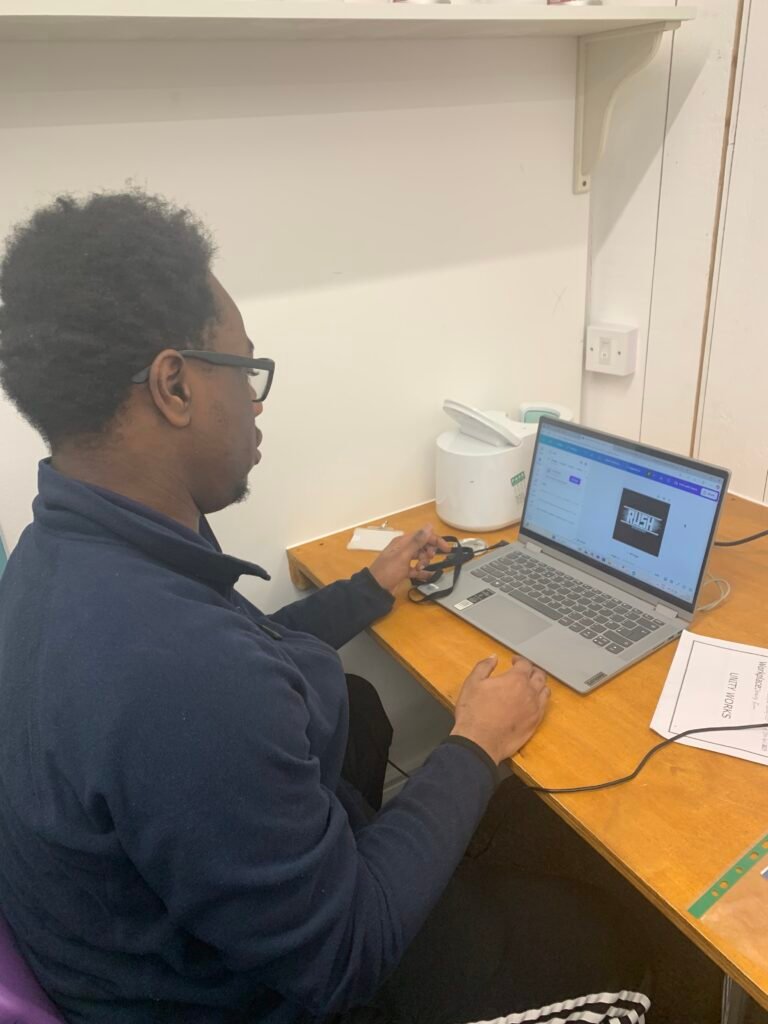
Young adults aged 19–25 with learning disabilities and/or additional needs who benefit from hands-on learning, small groups, and structured support focused onindependence, communication, and employability.
A 70% practical, 30% structured teaching model delivered in real working environments (on-site enterprises and employer placements), with clear routines and evidence-led progress tracking.
Yes. Study Programmes and targets are tailored to each student’s EHCP outcomes strengths, interests, and support needs, with regular review cycles.
Intentionally small groups so students receive personalised teaching while building social skills and confidence.
Functional Skills in Maths and English (Entry to Level 2 as appropriate) and vocational units aligned to each pathway, alongside portfolios of real work evidence. social skills and confidence.
A total communication approach: speech, signs, symbols, visuals, and assistive technology, reinforced across the day and during placements.
Sensory-aware spaces, access to quiet areas, predictable routines, and personalised regulation strategies integrated into timetables.
Speech and Language Therapy (SALT), Occupational Therapy (OT), and sensory regulation strategies are embedded where identified in the EHCP.
Baseline assessments, ongoing skills tracking, photo/video evidence, employer feedback, half-termly reviews, and end-of-year reports mapped to EHCP outcomes.
Yes. Students learn in our on-site enterprises (e.g., café, print, salon, garden/floristry) and take part in external placements, building genuine work routines and references.
Programmes develop independent living, travel training, community confidence, communication, and employability, with early, structured transition planning.
Yes. Travel training and route confidence are built step by step where appropriate and agreed with families and local authorities.
Contact Admissions to discuss suitability. We’ll review the EHCP, complete a short application, arrange a visit/interview, and liaise with the local authority on placement and funding.
Yes. We encourage tours to see teaching spaces, on-site enterprises, and meet staff.
Robust safeguarding policies, DBS-checked staff, risk assessments for activities and placements, and routine safety briefings and PPE where needed.
Individual health plans, clear allergy procedures (including in catering/floristry), staff awareness training, and controlled product use. placements, and routine safety briefings and PPE where needed.
Positive behaviour support, clear expectations, visual cues, regulation breaks, and consistent staff language to reduce uncertainty.
Standard FE term pattern with a 34‑week teaching plan each year. Daily times are shared during admissions and may vary by timetable and placement.
Regular updates, review meetings, and shared targets. We welcome co-production and open dialogue.
Direct mapping to employment, independent living, community inclusion, and health. Evidence is captured through live task portfolios and placement feedback.
Measurable targets, attendance/readiness indicators, skills checklists, and multimedia evidence from real tasks, plus employer/placement reports.
Majority of time in practical, work-relevant activity with focused structured sessions for explicit teaching, reflection, and consolidation
Yes. Provision is written to align with Sections B/F (needs/provision) and E (outcomes), with agreed targets and termly updates.
Ofsted-aligned FE safeguarding, health & safety risk assessments, data protection, and safer recruitment. Membership with sector bodies such as Natspec underpins CPD and quality.
Yes. We develop extended placements and supported internships with employer partners as students become work-ready.
Through assessment of need and reasonable adjustments for Functional Skills where appropriate, in line with awarding body guidance.
Attendance, punctuality, progress to targets, skills matrices, and destination data, subject to data protection and consent.
Referrals via local authority SEND teams or directly from families with LA involvement. Timelines depend on EHCP cycles and availability; early engagement is
advised.
Inclusive-by-design environments, accessible resources, unbiased recruitment for placements, and person-centred planning embedded across provision.
Students bring reliable routines, customer-ready behaviours, and practical skills rehearsed in live settings. Partnerships support local inclusion and workforce pipelines.
Entry-level, team-based roles with clear routines: customer service, light production facilities/grounds support, reception/retail assistance, and administrative tasks.
Pre-placement planning, clear task breakdowns, on-shift coaching where needed, and a named contact for communication and troubleshooting.
Role-specific risk assessments, PPE and hygiene training, and gradual independence with supervision levels tailored to the setting
Yes. Communication is scaffolded with scripts, visuals, and coaching, with prompts faded as confidence grows.
College-developed routines for punctuality, dress code, and task completion carry over to placements. We monitor attendance and respond quickly to issues.
Practical portfolios: photos/videos of tasks, quality logs, references, Functional Skills accreditation where appropriate, and clear summaries of strengths.
We co-design schedules to match business rhythms and learner stamina, typically starting short and building duration and complexity.
Yes. We aim for sustained roles where appropriate, often via supported internships or trial periods, with ongoing job coach input.
Contact the college to speak with Employer Partnerships or the Admissions/Placements team; we’ll match candidates and outline next steps.
Typically via the local authority linked to the learner’s EHCP, with education funding (and where relevant, health/social care elements). The LA makes the final placement decision.
Personal Budgets can sometimes contribute to elements of support where appropriate and agreed with the LA.
We accept learners from across London and surrounding areas; discuss travel and placement logistics during admissions.
Role-appropriate clothing and PPE where needed. Details are shared before start
dates.
Start dates depend on EHCP timelines, assessment, and programme availability. Early enquiry helps us plan a smooth transition.
If your question isn’t covered here, contact Admissions on 0208 191 9622 or email info@brighterfuturesspecialistcollege.co.uk.
Our Accreditations



Specialist further education for young people with learning disabilities aged 16–25. Building independence, skills and confidence for life.
Monday – Friday – 10.00 – 16.00
Saturday – Closed (weekend programs coming soon)
Sunday: Closed
© 2026 Brighter Futures Specialist College. All rights reserved.